About Truffles
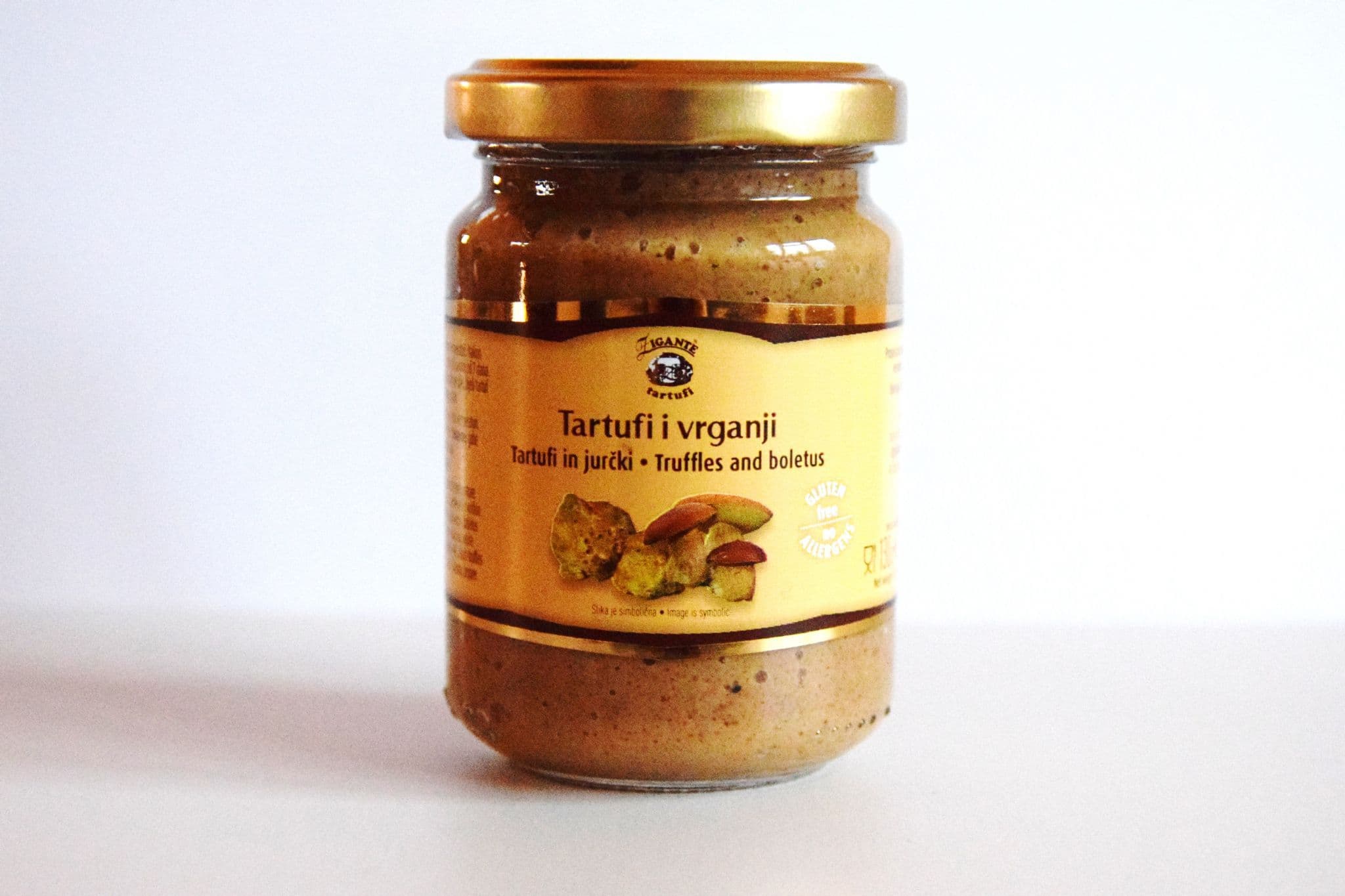
Truffles are mycorrhizal fungi that grow in a symbiotic relationship with certain trees, particularly oak, hazel, poplar, birch and pine. They are hidden underground just like a real treasure. The fungus obtains energy, in the form of carbohydrates from the host plant. The plant gains benefit from the truffles’ ability to retain water and minerals needed by the tree.
Traditionally, truffle hunters searched the forests with pigs. Now specially trained dogs are used.
There are many kinds of truffles growing in different parts of the world. Truffles are seasonal, but, since they may retain their taste and aroma for up to ten days, if carefully packed and kept cool, between them they can provide this fresh gourmet delicacy throughout the year.
Black summer truffles (Tuber aestivum) which may occur naturally or in plantations in the UK and other parts of Europe, come into season in May and may be harvested until August.
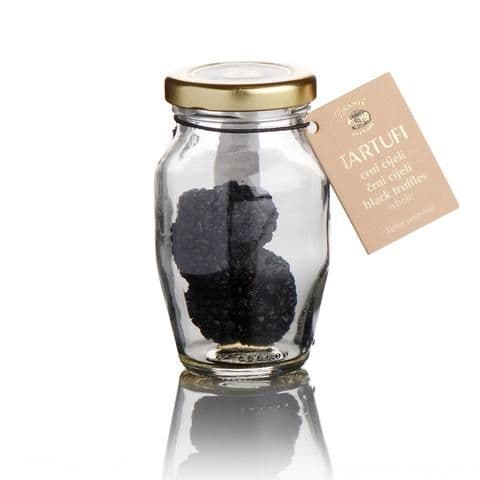
Black winter truffles (Tuber melanosporum) also known as the Perigord truffle are native to southern Europe and have a season from November to February.
White truffles (Tuber magnatum pico) have a short season from September to late November. They may be found in Croatia, Italy, Slovenia and Hungary. These are the most expensive truffles and may reach a price of 3,000 euros per kilogram. A record-breaking white truffle, weighing 1310 grams was found in Istria in 1999 by Giancarlo Zigante, the founder of our partner company. It is recorded in the Guinness Book of Records.
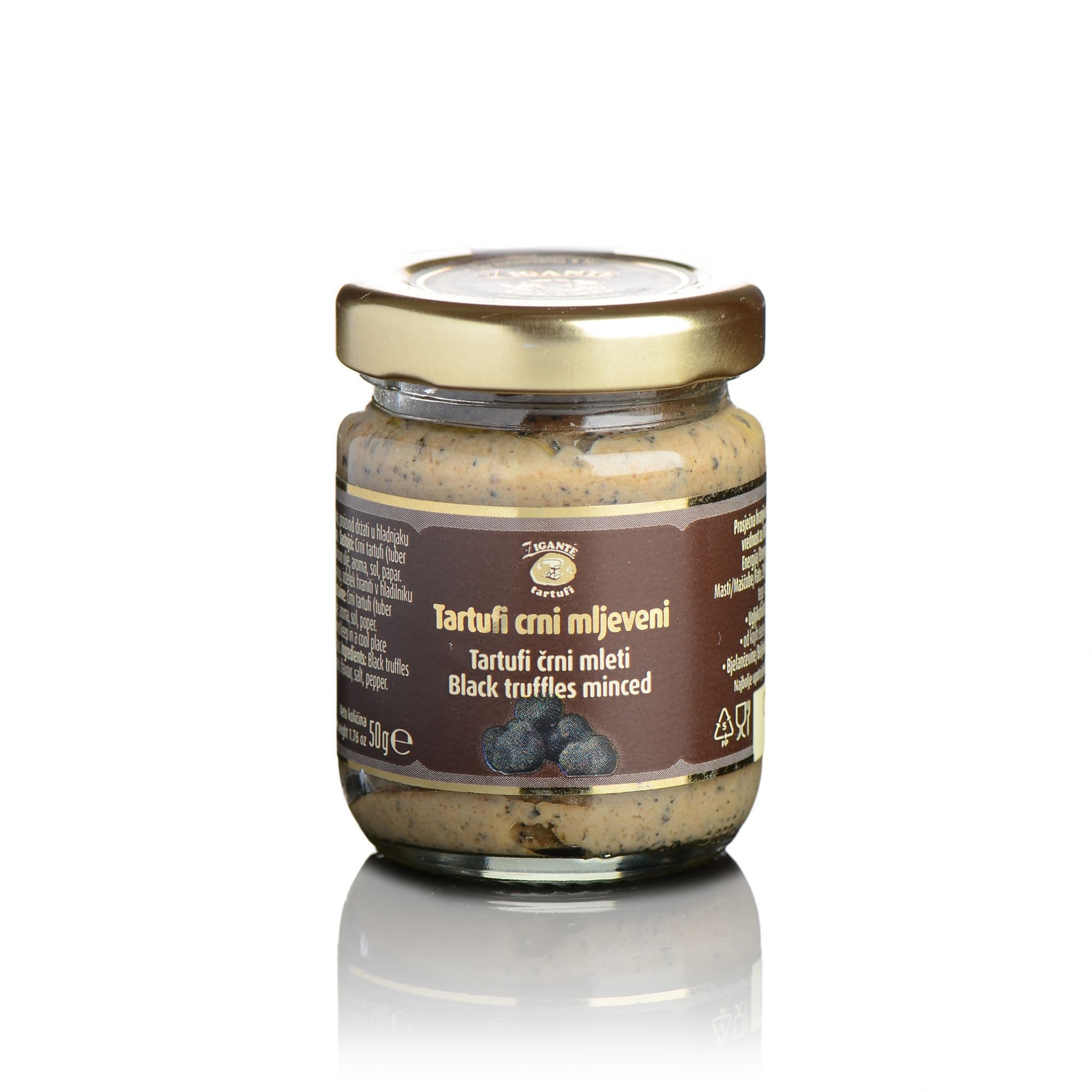
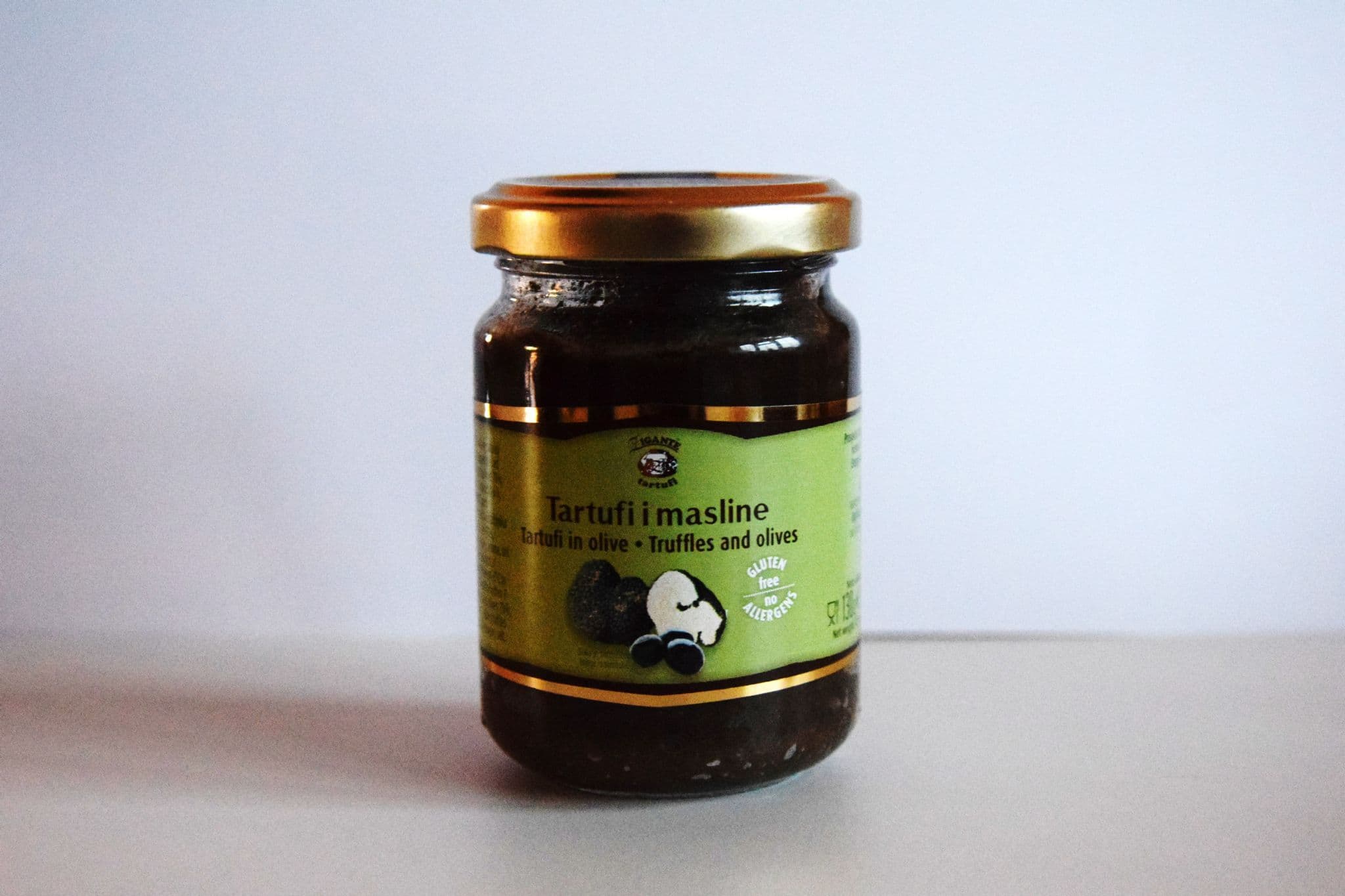
Black truffles are peeled and can be used raw or lightly cooked, while white truffles are just carefully wiped clean and should never be cooked. They have a distinct peppery taste and are usually sliced raw directly onto the dish. You can buy a special slicer that cuts razor thin slices. The truffle’s unique aroma and taste does something magical to foods – shaved over pasta, added to scrambled eggs, omelette or risotto. Truffle oil, a combination of olive oil and truffle extract can be drizzled over pasta, risotto and salads or used in salad dressings and sauces. There’s no substitute for the unique taste of a fresh truffle though.
In recent years there has been an increase in the number of people growing truffles in plantations. Several of these are in the southern hemisphere.
 Because of the inverse seasons, this creates new opportunities for purveyors of fine food to supply their customers with seasonal produce it is not when it is not normally available in the UK.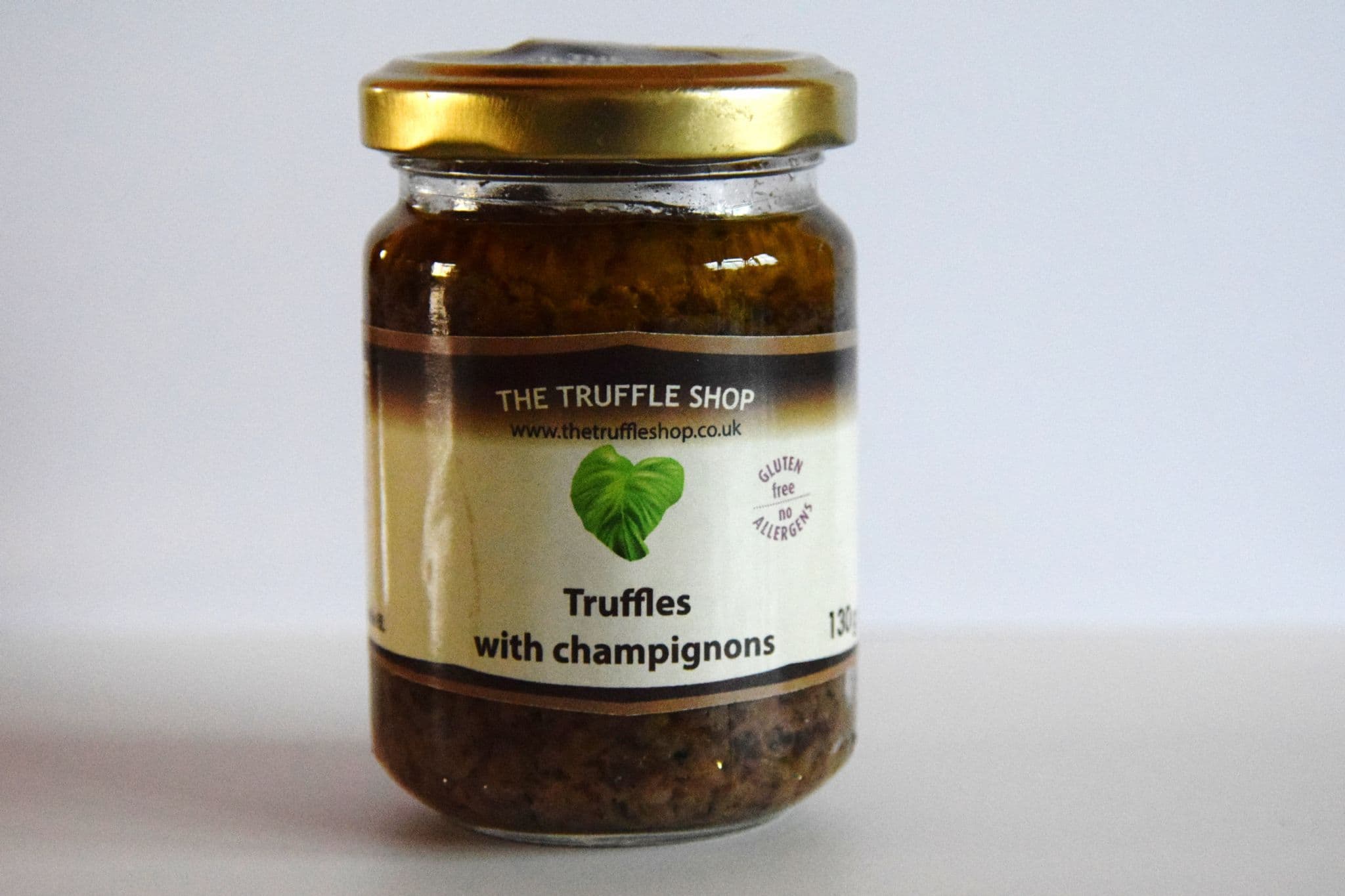
A great opportunity for truffle fanatics!!